
Injectables
Chemical peel
from 100 €
A controlled peel that renews the skin's surface and evens out the tone.
01What it is
What is a chemical peel?
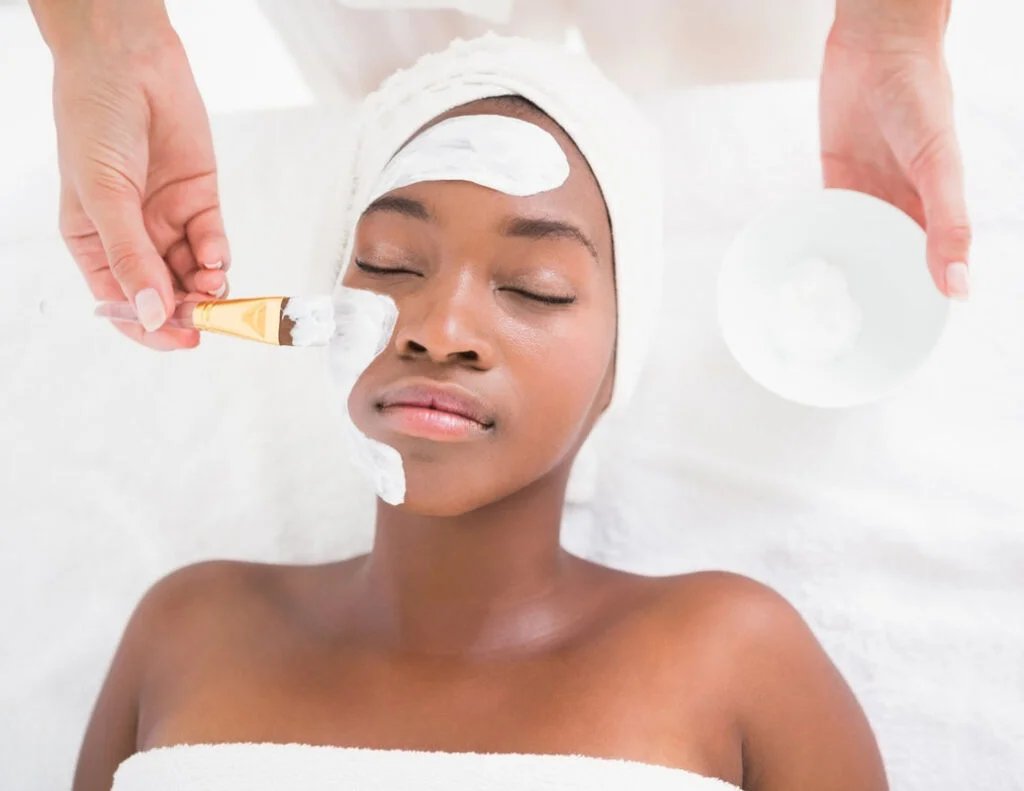
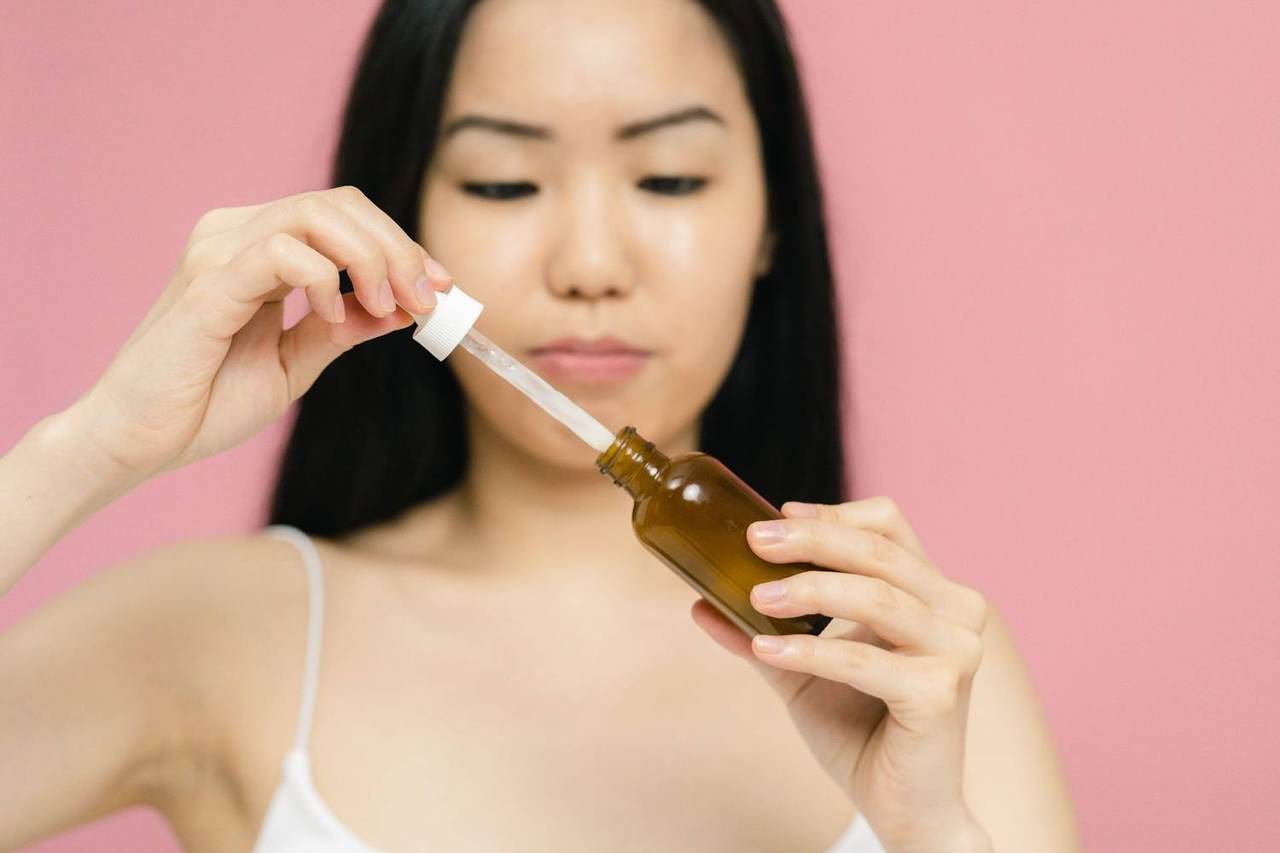
A chemical peel is a treatment in which a controlled acid mixture is applied to the skin, loosening dead skin cells and triggering skin renewal. The treatment evens out the skin tone, brightens and softens the surface.
The strength of the peel is always chosen according to the skin's condition and the goal, from a light refreshing peel to a deeper renewing treatment.
02Background
The long history of peeling
The use of acids in skin beauty care goes far back in history: even in antiquity natural acids found in sour-milk products, for example, were used to brighten the skin. Lactic acid is indeed still one of the peeling agents used.
Modern peels are based on precisely dosed fruit and other acids (such as AHA and BHA acids), whose strength and action time can be adjusted safely.

03The science
Why acid renews the skin
The acids loosen the bonds between dead skin cells, so the old surface cell layer detaches and reveals smoother skin. At the same time the treatment triggers skin renewal.
Different acids act in different ways: some work on the surface to brighten, others reach deeper to smooth texture and lines.
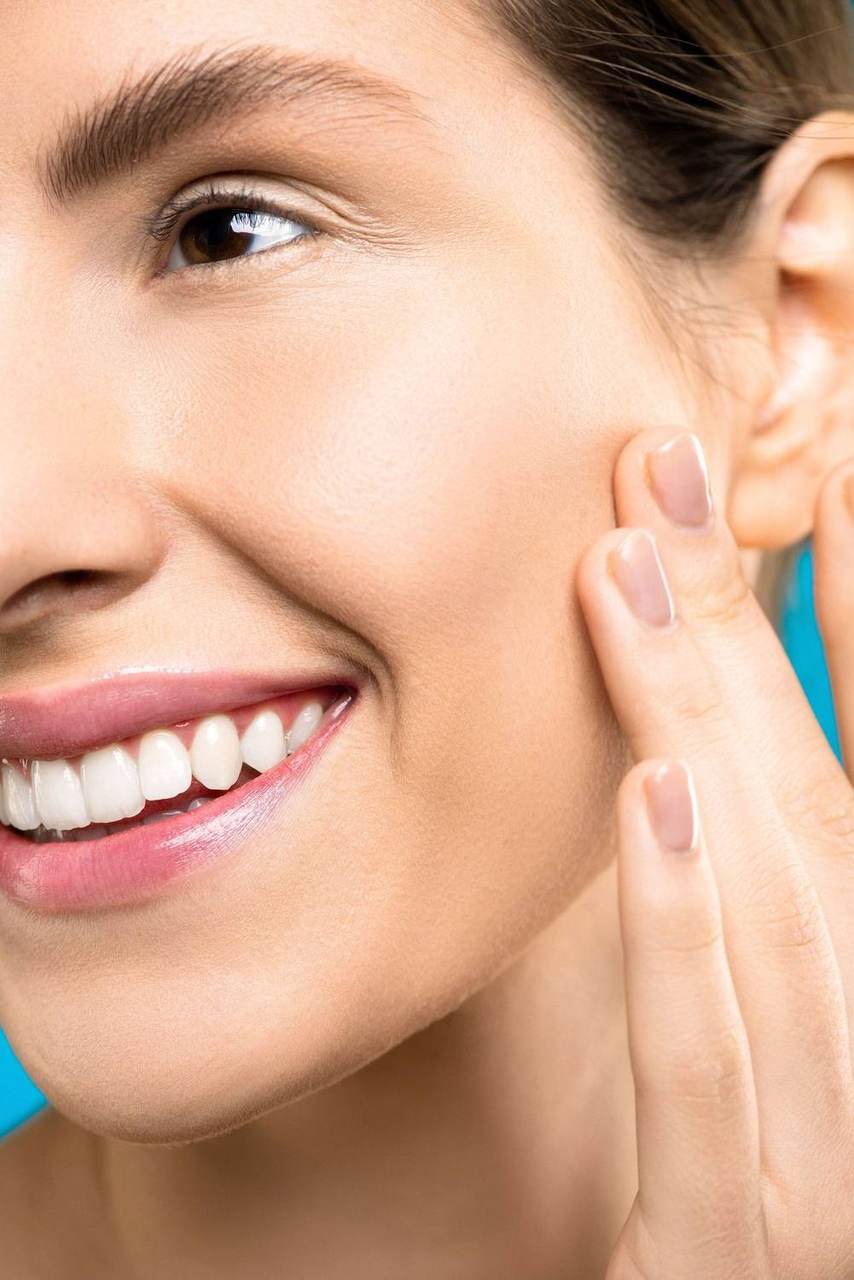
As a result the skin tone evens out, the surface brightens and the skin looks fresher.
04Suitability
Who is the treatment for?
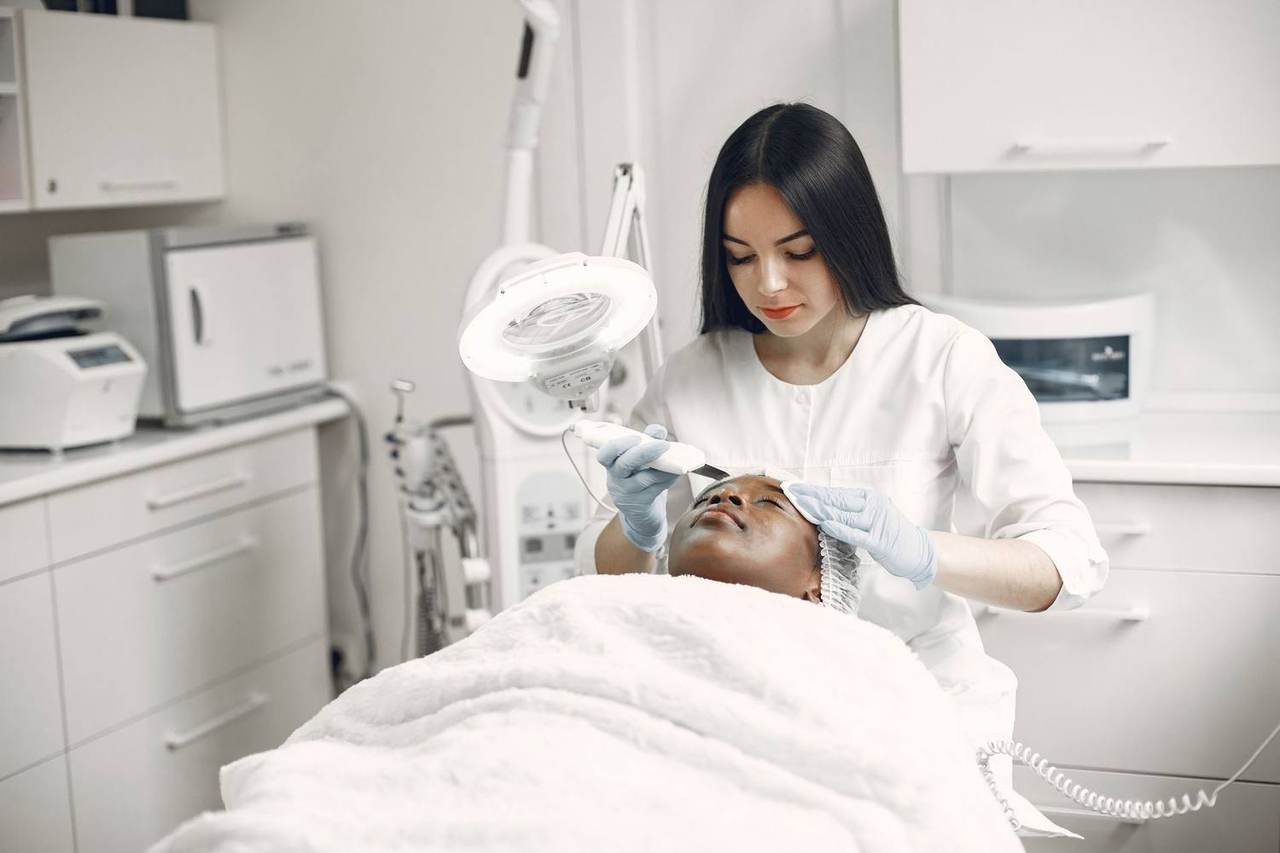
A chemical peel suits uneven skin tone, dull skin, superficial lines and blemish-prone skin. A suitable peel is chosen according to the skin type.
Suitability is assessed before treatment, and for example pregnancy or certain skin conditions can affect the choice of treatment.
05Results
Results and aftercare
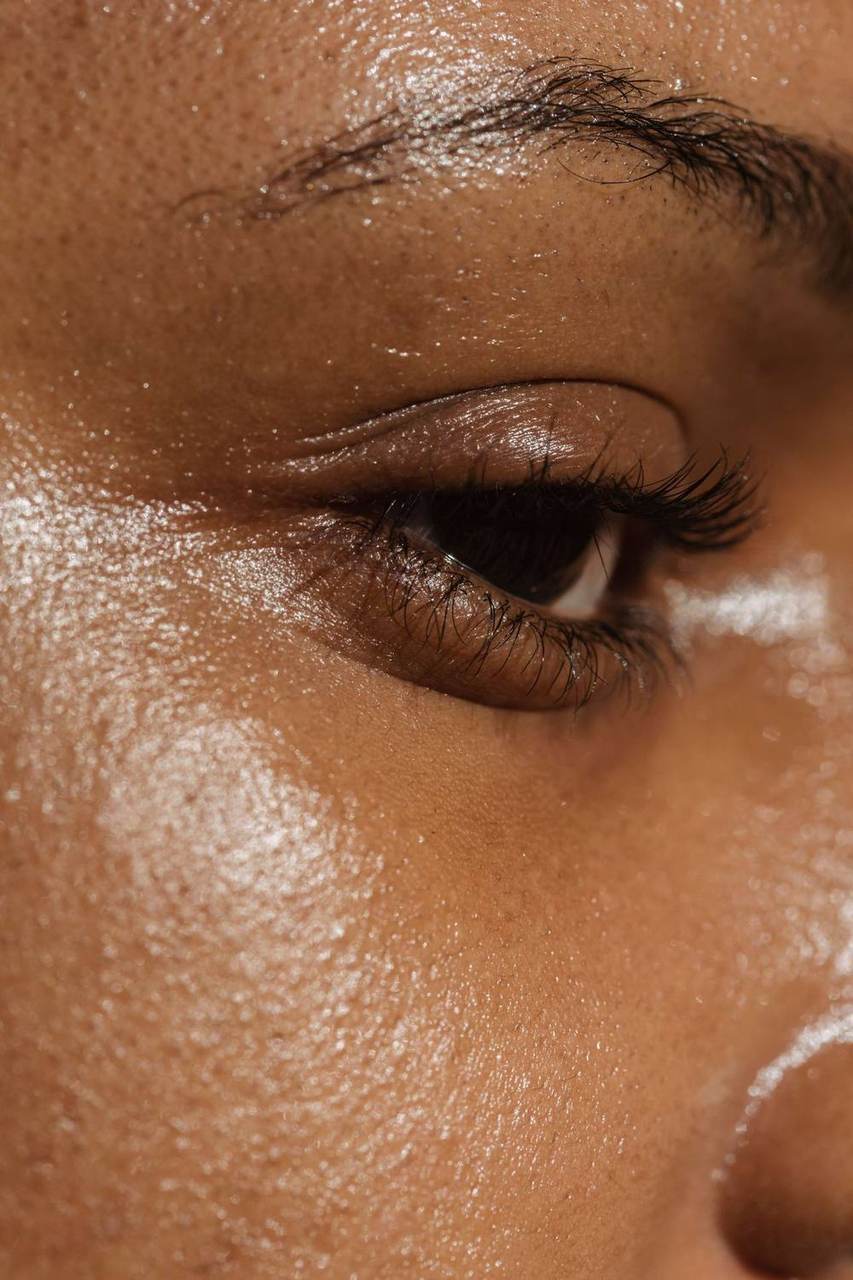
The skin brightens and evens out with the treatment. With light peels flaking is minimal, whereas with stronger ones the skin's surface may flake for a few days as it renews.
Using sun protection after the treatment is important, and the best result is often achieved with a course of treatments.
Safety
Safety & good to know
The strength of the peel is always chosen according to the skin's condition. With light peels flaking is minimal, whereas with stronger ones the skin may flake for a few days as it renews.
Sun protection is especially important after the treatment. Pregnancy and certain skin conditions can affect the choice of peel; suitability is assessed before treatment.
Combine
Combine with other treatments
A chemical peel brightens the skin, after which a moisturising facial or biorevitalisation balances and nourishes the skin to ensure a beautiful end result.
How it works
How the treatment works
A clear, calm path from start to result.
- 1
Assessment
We assess the skin and choose a suitable peel.
- 2
Treatment
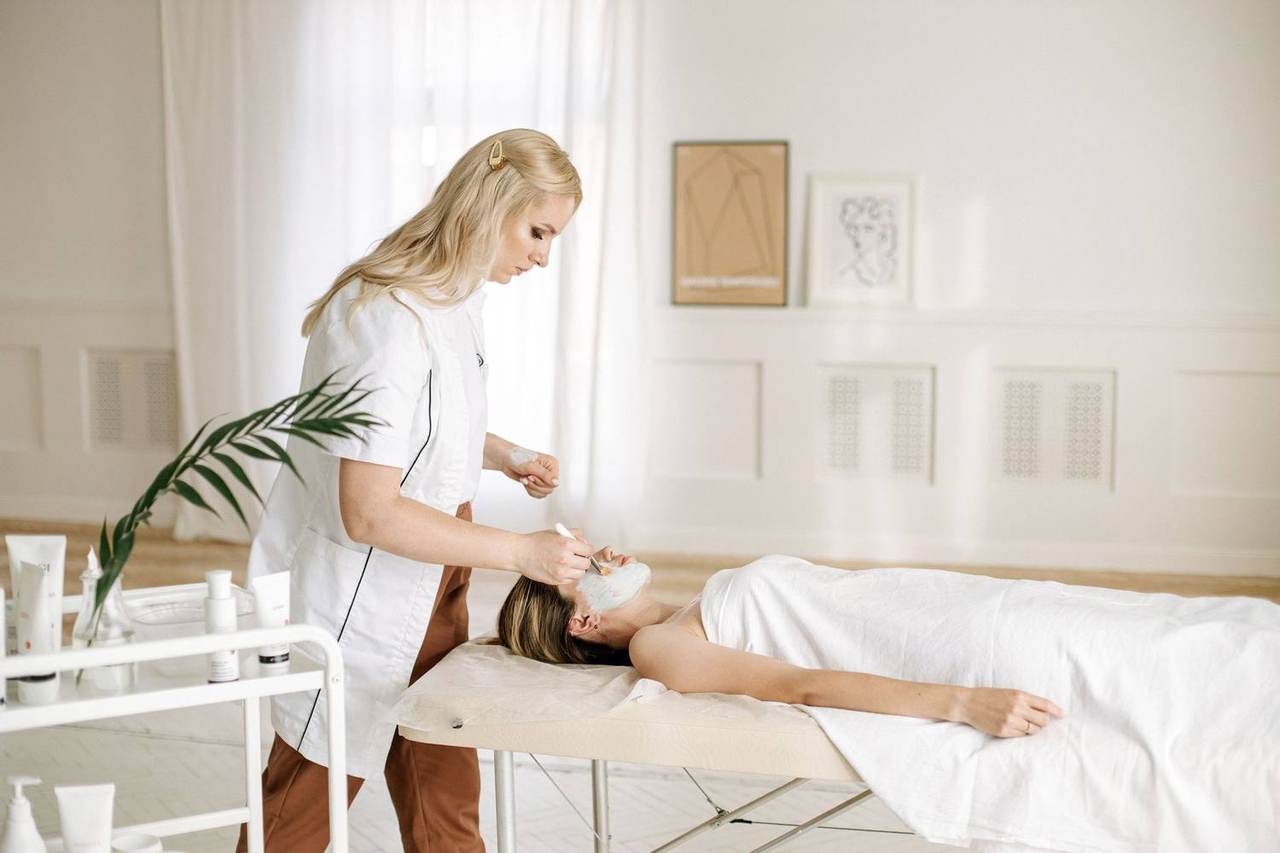
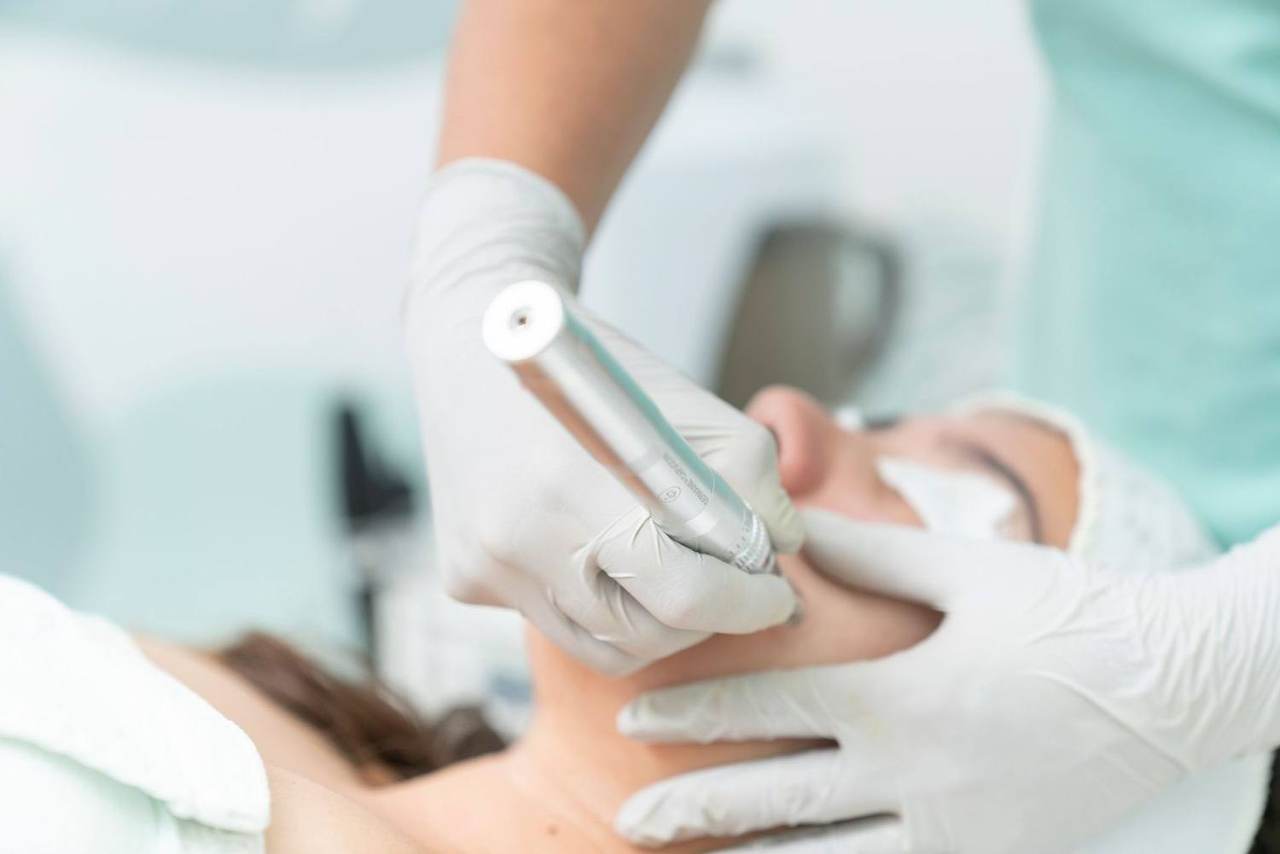
The acid mixture is applied to the skin in a controlled way and the action time is timed.
- 3
Neutralisation
The peel is neutralised and the skin is calmed.
- 4
Protection
The skin is protected and you get aftercare instructions.
Avoid the sun and use sun protection. Do not exfoliate or rub the skin, and let any flaking come away on its own.
FAQ
Frequently asked questions
Does the skin flake after the treatment?
With light peels flaking is minimal; with stronger ones it may occur for a few days.
Is sun protection needed?
Yes, using sun protection after the treatment is important.
Does the skin flake after the treatment?
With light peels flaking is minimal. With stronger peels the skin's surface may flake for a few days as it renews.
How often can a peel be done?
The best result is often achieved with a course of treatments. We determine the suitable interval according to the skin type and the chosen peel.

Ready to book?
Book a chemical peel online, choose a suitable time, pay securely and get instant confirmation.